
How do you care for scars after surgery?

As a plastic surgeon, I get this question almost daily: “Mireille, what can I do myself to make my scars as beautiful as possible?” It’s a question I understand very well. Plastic surgery is often a step toward greater self-confidence, and the scars that remain are simply part of that. However, the way a scar looks does not depend solely on the surgery. You yourself have a huge influence on the end result, especially in the crucial recovery phase.

Understand the healing process of your scar

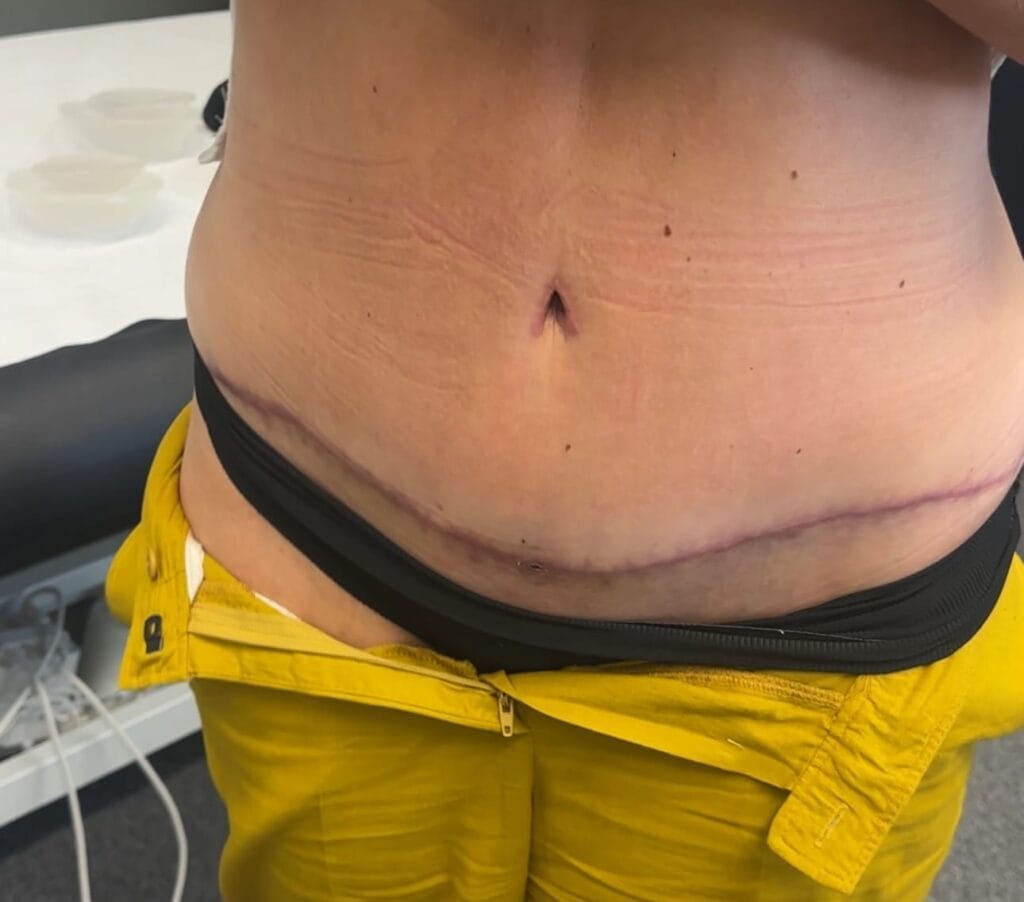
A scar is nothing more than your body’s response to a deep skin wound. To close the wound, your body creates new connective tissue, consisting mainly of collagen. This is a natural process. At first, the scar is often red and swollen, but as the months pass, the scar matures and becomes paler and flatter. This maturation process can take up to two years, and it is precisely during this time that proper care makes all the difference.

My tips for scar care

Don’t wait to start scar care until the wound is completely healed. As soon as the scabs are off and the stitches are removed, you can start. Always consult with your surgeon to determine exactly when this time is for your particular situation.

Protect, protect, protect!

The absolute golden rule that I stress over and over again is sun protection. Fresh scar tissue is extremely fragile and contains little pigment. The sun can darken scar tissue beyond repair, resulting in hyperpigmentation. I therefore advise my patients to keep their scars completely out of the sun for the first 12 to 18 months after surgery. Use a minimum of SPF 50 or cover the scar with clothing. ☀️
And when it comes to scar treatment, I swear by silicone therapy. Silicone patches or gel create a thin, invisible layer that regulates moisture loss from the skin. This ensures that the production of new collagen proceeds nicely, significantly reducing the risk of excessive scarring. My advice is to wear the patches 24/7 or apply the gel twice a day, unless you experience skin irritation

The silent power of silicone and massage

When it comes to scar treatment, I swear by silicone therapy. Silicone patches or gel create a thin, invisible layer that regulates moisture loss from the skin. This ensures that the production of new collagen proceeds cleanly, significantly reducing the likelihood of excessive scarring. My advice is to wear the patches 24/7 or apply the gel twice a day, unless you experience skin irritation.

Massage time is healing time

Once your scar is closed, scar massage is vital. Massaging the scar promotes blood flow and helps the new collagen arrange itself in an organized manner. This ultimately makes the scar smoother, flatter and less rigid. Using a neutral cream or scar gel, massage the scar twice a day with gentle, circular motions. It’s a small action with a big impact.

Patience is your best friend

The most important message I give to all my patients is: be patient. Full maturation of a scar can take a long time. You will see changes after weeks and months, but the final results are often not visible for a year to a year and a half. Stay consistent with your skincare routine, even if you don’t see spectacular results at first.

If you follow these steps, you will give yourself the best chance of a beautiful end result and ensure that the scars will be subtle and barely visible after your procedure. And remember: you are worth giving yourself the best aftercare.